

A Simple Way to Help Trees Grow Stronger and Live Longer
tree pruning helps your tree stay healthy by removing weak, dead, or crowded branches. When you cut the right limbs at the right time, the tree can send more energy to strong growth. This leads to better structure, fuller leaves, and fewer problems with disease. A well-pruned tree also looks cleaner and is safer for your yard.
What You Need Before Starting
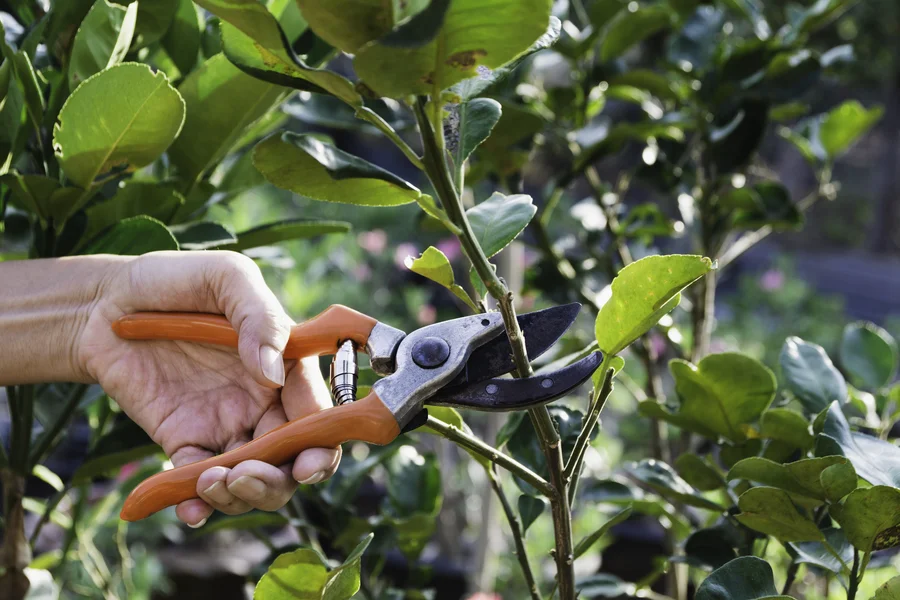
Before you begin tree pruning, gather the right tools and take a close look at the tree. Not every branch needs to be cut. The goal is to help, not harm.
Here is what you should have ready:
- Sharp hand pruners for small branches
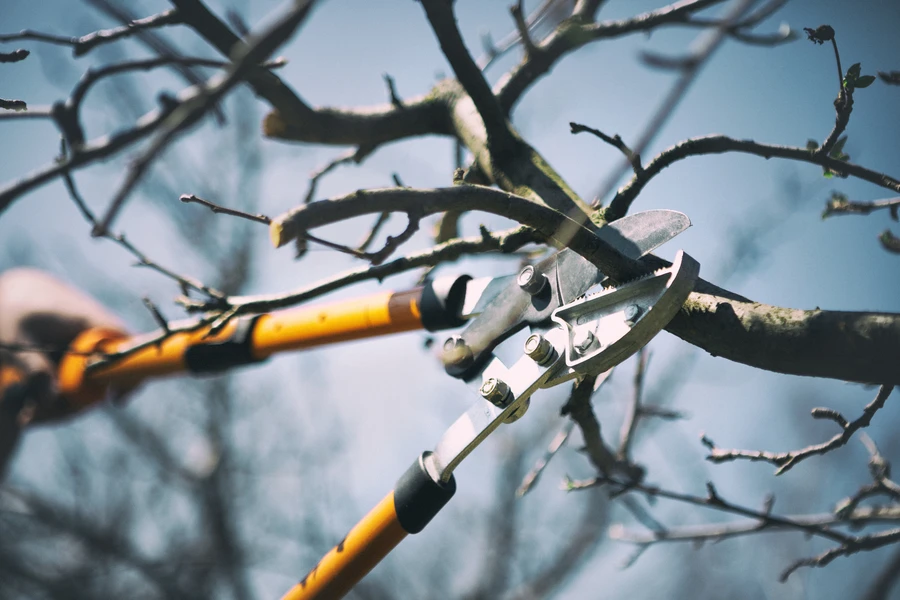
- Loppers for medium limbs
- A pruning saw for thick branches
- Work gloves and safety glasses
- A stable ladder if needed
Make sure your tools are clean. Dirty blades can spread disease from one tree to another. Also, check the type of tree you have. Different species may need slightly different care. This is part of proper tree care and planning.
Step-by-Step Process for Healthy Growth
Follow these basic steps to get the best results from tree pruning:
- Start by removing dead or broken branches. These drain energy and can fall without warning.
- Cut crossed or rubbing branches. Branches that scrape each other cause wounds.
- Thin out crowded spots. This lets sunlight and air move through the canopy.
- Trim weak growth. Small, weak shoots often take energy away from stronger limbs.
- Shape the tree lightly. Keep a natural form, not a harsh or uneven look.
Always cut just outside the branch collar, which is the slightly swollen area where the branch meets the trunk. Do not cut flush against the trunk. That can slow healing. Small, clean cuts heal faster and reduce the risk of decay.
Common Mistakes to Avoid
Many homeowners mean well but make simple mistakes during tree pruning. Cutting too much at once is a common error. Removing large portions of the canopy can shock the tree and slow growth.
Other mistakes include:
- Topping the tree, which means cutting the main trunk too short
- Using dull tools that tear the bark
- Pruning at the wrong time of year
- Leaving large stubs instead of clean cuts
Topping is one of the worst things you can do. It causes weak regrowth and makes the tree unstable. Instead, focus on selective cuts that guide healthy structure over time.
When to Call a Professional
Some tree pruning jobs are simple. Others are risky. If branches are high up, near power lines, or very thick, it is safer to call a trained crew. Large trees need careful planning to avoid damage to property.
You may also need expert help if your tree shows signs of disease. Dark spots, oozing sap, or sudden leaf loss can signal deeper issues. A professional can spot the cause and decide which limbs should be removed.
Young trees benefit from early shaping. A specialist can train the structure so the tree grows strong from the start. This reduces future problems and keeps maintenance easier over the years.
Final Recommendation and Next Steps
Healthy trees add shade, beauty, and value to your property. Smart tree pruning supports steady growth, lowers safety risks, and helps trees fight off disease. If you are unsure where to cut or how much to remove, it is best to get guidance. For homeowners in Six Lakes, MI, seasonal pruning can make a big difference in how trees handle heat, wind, or storms. At M&M Tree Service Inc., we handle tree care projects of all sizes and focus on safe, careful work for every yard. Call us at (989) 235-2324 to schedule a visit and let us help your trees grow strong for years to come.