

Reducing Wind Resistance and Removing Weak Branches Before Severe Weather Hits
How tree trimming prevents storm damage comes down to one simple idea: strong, balanced trees handle wind and heavy rain better. When trees are trimmed the right way, they have fewer weak branches, better airflow through the canopy, and less weight pulling them down. This lowers the chance of broken limbs, split trunks, and fallen trees during major storms.
Why Prevention Matters
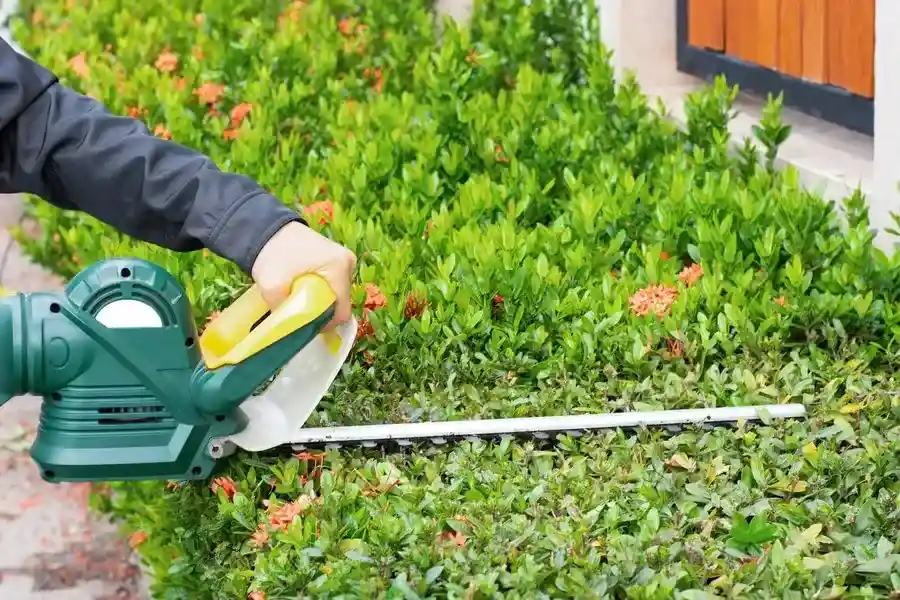
Storm damage can happen fast. High winds push against heavy branches like a sail. Rain soaks the ground and loosens roots. Snow and ice add extra weight. If a tree already has dead limbs or crowded growth, it is more likely to fail. Preventive care, including shrub trimming and tree pruning, helps control these risks before bad weather arrives.
Taking action early often means fewer emergency repairs later. It also helps protect your roof, fence, vehicles, and nearby power lines.
Early Warning Signs Your Trees Need Attention
Many trees show signs of trouble long before a storm hits. Watch for these common issues:
- Dead or hanging branches
- Cracks where large limbs meet the trunk
- Branches rubbing against each other
- Heavy limbs stretching over your home
- Leaning trees with exposed roots
If you notice any of these signs, it may be time for trimming. Small problems can turn into major damage once strong winds arrive.
Seasonal or Routine Trimming Checklist
A simple maintenance plan goes a long way. Routine shrub trimming and tree care help keep your landscape in shape year-round.
- Inspect trees at least twice a year, especially before storm season.
- Remove dead, diseased, or broken branches.
- Thin crowded areas to allow wind to pass through.
- Trim back limbs that hang over structures.
- Cut back overgrown shrubs near walkways and foundations.
Late winter and early spring are often good times for this type of work. Trees are usually dormant, which makes structure easier to see. Regular attention as part of your general outdoor care routine keeps problems from building up.
Best Practices for Long-Term Storm Protection
Proper technique matters. Random cutting can weaken a tree instead of helping it. Good trimming focuses on structure and balance.
Here are a few smart practices:
- Make clean cuts just outside the branch collar.
- Avoid removing more than 25 percent of the canopy at one time.
- Keep the main trunk strong and dominant.
- Shape young trees early to guide healthy growth.
Shrub trimming is also part of storm prevention. Overgrown shrubs can block drainage paths or scrape against siding during wind. Keeping shrubs neat improves airflow and reduces debris during heavy weather.
What Not to Do
Some trimming habits can make storm damage worse.
Do not top trees by cutting large branches back to stubs. This causes weak regrowth that snaps easily. Avoid leaving long branch stubs, which invite decay. Never remove large limbs without the right tools or safety plan.
Climbing tall trees without training is risky. Working near power lines is dangerous and should never be handled without proper equipment.
When to Schedule Professional Help
Small shrubs and low branches may be manageable for a homeowner. Larger trees are another story. If a tree is tall, close to structures, or already damaged, professional help is the safer choice.
Certified crews know how to spot hidden weakness. They can recommend the right trimming approach and decide whether additional steps are needed. This may include cabling, bracing, or even removal if a tree poses a high risk.
Routine inspections every year or two can help you stay ahead of storm season. Preventive shrub trimming and proper tree care are far easier than dealing with emergency cleanup after a storm.
Protect Your Property Before the Next Storm
At M&M Tree Service Inc., we help property owners throughout Six Lakes, MI reduce the risk of storm damage with planned trimming and maintenance. Our team focuses on safe, balanced cuts that protect homes and landscapes. If you would like an on-site evaluation or need help preparing for the next storm season, call us at (989) 235-2324 and let us schedule a time to care for your trees and shrubs.