

How Removing or Trimming Trees Can Help or Harm Your Lawn and Soil
tree cutting can either improve your yard’s health or cause new problems, depending on how and when it is done. Removing a dead or crowded tree can bring in more sunlight, improve airflow, and reduce disease. But cutting the wrong tree, or cutting too much at once, can stress your soil and damage nearby plants. The real impact depends on planning, timing, and safe techniques.
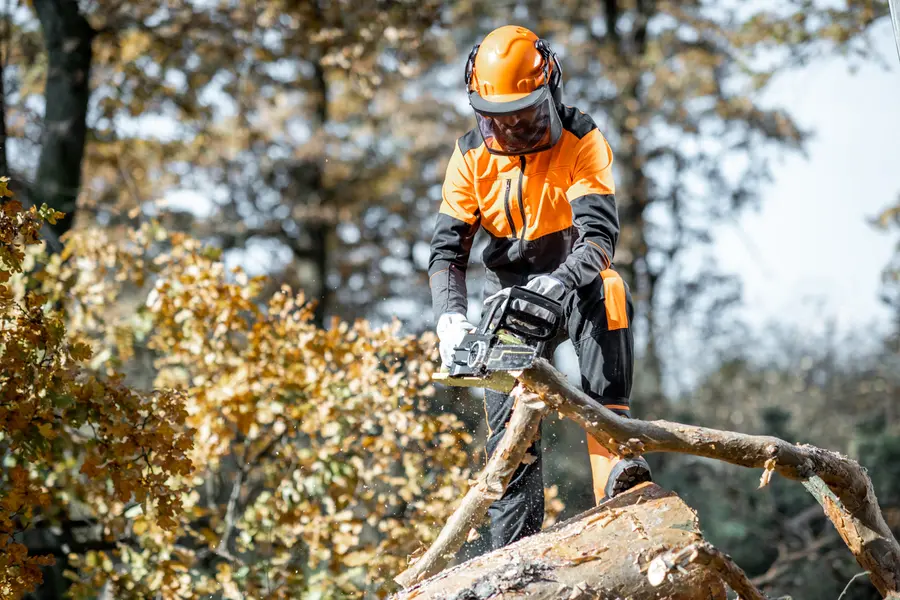
Quick Diagnosis: Is Your Yard Better or Worse After Tree Cutting?
After tree cutting, your yard should look more open and balanced. Grass may grow thicker with more sun. Other plants may look stronger with less competition for water. If your yard looks dry, patchy, or uneven, something may have gone wrong during the process.
Pay close attention in the first few weeks after a tree is removed. This is when most yard health changes show up.
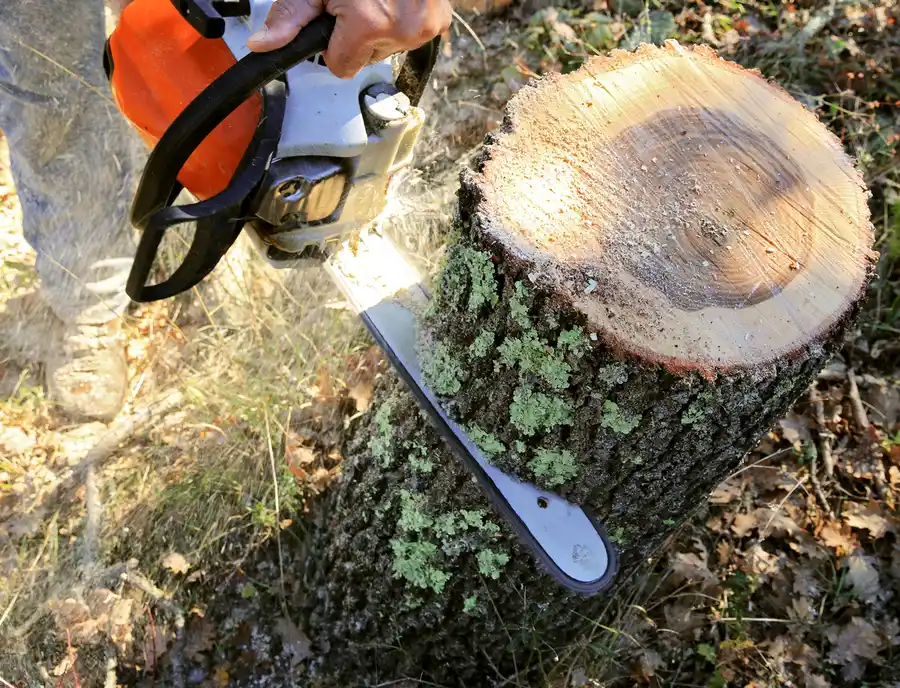
Common Signs Your Yard Is Struggling
If tree cutting was not handled with care, your yard may show stress. Watch for these signs:
- Large bare spots where grass will not grow
- Soil that feels hard and compacted
- Puddles forming after light rain
- Nearby shrubs starting to wilt
- Sudden weed growth in cleared areas
These issues often happen when heavy equipment compresses the soil or when roots were removed too aggressively. Even healthy trees have wide root systems that support the yard around them.
What Causes Yard Damage After Tree Removal?
There are a few common causes.
First, soil disturbance. When a large tree is cut down, its roots begin to decay. As they break down, the soil can shift. This may create soft spots or uneven ground.
Second, sudden sunlight changes. Grass that grew in shade may struggle under full sun. It can burn or dry out quickly.
Third, moisture imbalance. Trees absorb a lot of water. After tree cutting, the extra water in the soil can change how nearby plants grow. Some areas may stay too wet, while others dry out faster than before.
Finally, poor cleanup. Sawdust, wood chips, or leftover debris can block water and air from reaching the soil if not cleared properly.
What to Check First After Tree Cutting
If you are worried about your yard’s health, start with a simple inspection.
- Walk the area and feel the soil with your foot. Is it too hard or too soft?
- Look for surface roots that may still be sticking out.
- Check how water drains after rain or lawn watering.
- Watch how sunlight moves across the newly opened space.
These steps help you spot small problems before they get worse. In many cases, light raking, aerating the soil, and adding grass seed can restore balance.
Safe Fixes You Can Handle Vs Professional-Level Fixes
Some yard repairs are simple. You can loosen compacted soil with a garden fork. You can spread topsoil and reseed thin areas. Adding mulch around nearby plants can help regulate moisture.
More serious problems may need professional help. Large root removal, deep soil leveling, or drainage correction usually require skilled tools. If a stump was left behind, grinding it down the right way prevents pest issues and fungal growth.
A trained crew that specializes in tree cutting and related services can reduce long-term damage by planning the removal with your entire yard in mind.
How to Prevent Yard Problems in the Future
Prevention starts before the first cut is made.
- Evaluate tree health before removal
- Avoid cutting during extreme heat or drought
- Protect nearby grass and plants with barriers
- Limit heavy equipment on wet soil
- Plan for reseeding or landscaping right after removal
It also helps to think about spacing when planting new trees. Give them room to grow without crowding your lawn or your home. Healthy spacing reduces the need for major tree cutting later.
Regular trimming instead of full removal is another smart move. Controlled pruning keeps trees stable and lowers the risk of falling branches without shocking your yard.
When It Is Time to Call a Professional Team
If the tree is large, close to your home, or surrounded by landscaping, it is safer to bring in experienced help. Large root systems can affect patios, driveways, and underground lines. The wrong cut can also harm nearby trees that share root space.
A professional approach protects your grass, soil, and other plants while removing the tree safely. Proper planning makes the difference between a stressed yard and a healthier one.
Get Help Protecting Your Yard’s Health
If you are in Six Lakes, MI and thinking about tree cutting, we can help you protect your lawn and landscape from avoidable damage. At M&M Tree Service Inc., we plan every job with your yard’s full health in mind and use careful methods that reduce soil disruption and stress on surrounding plants. Call us at (989) 235-2324 to talk about your property and schedule a visit with our team.