

How to Prune Trees the Right Way Without Weakening Their Natural Shape
tree trimming techniques that protect tree structure focus on removing the right branches in the right way so the tree stays strong and balanced. Good cuts help the tree heal faster and keep its natural shape. Bad cuts can lead to weak limbs, decay, and long-term damage. If you trim with care and a clear plan, your trees can grow safely for many years.
What You Need Before Starting
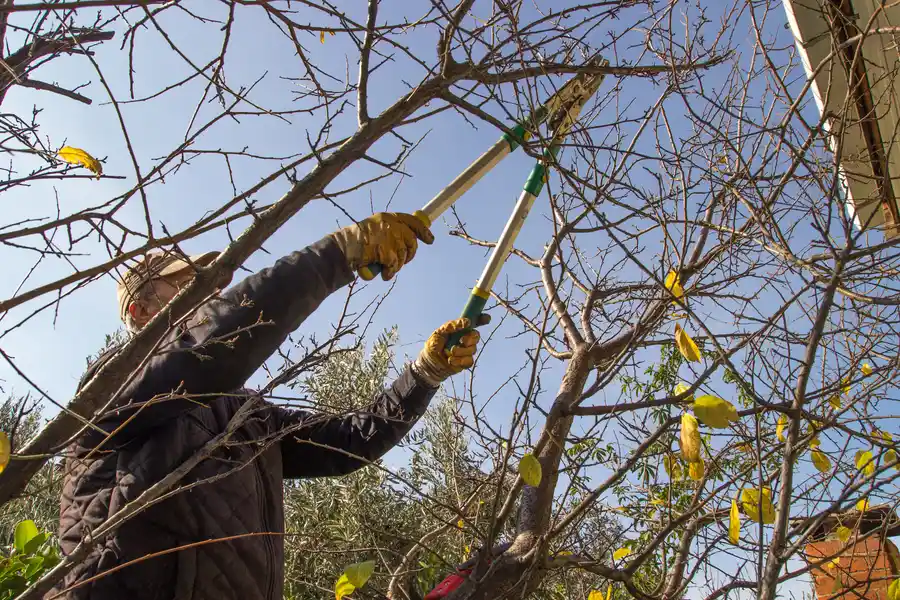
Before you begin any tree trimming work, gather the right tools and take a close look at the tree. Sharp hand pruners, loppers, and a pruning saw are basic tools for small to medium branches. For higher limbs, you may need a pole saw. Always use gloves and eye protection.
Walk around the tree and check its overall shape. Look for dead, cracked, or rubbing branches. Notice how the main trunk and large limbs grow. The goal is to support that natural form, not fight against it. If you are dealing with a large or mature tree, it may fall under professional tree care guidelines.
Step-by-Step Process for Safe and Smart Cuts
Follow these steps to protect tree structure during tree trimming:
-
Start with dead or diseased branches. Remove these first to stop decay from spreading.
-
Cut branches that cross or rub. Rubbing limbs can cause wounds that invite pests and rot.
-
Trim back weak angles. Branches that grow at very tight angles may split later.
-
Use the three-cut method for larger limbs. Make a small cut under the branch, then a cut from the top a few inches out, and finish with a clean cut near the branch collar.
-
Leave the branch collar intact. This small swollen area at the base of the branch helps the tree seal the wound.
-
Step back often. Look at the tree from a distance to keep its shape balanced.
These simple steps help reduce stress on the tree. They also lower the risk of storm damage.
Common Mistakes to Avoid
Many problems happen because of poor trimming habits. One major mistake is topping. Topping means cutting off large sections of the upper canopy. This shocks the tree and leads to weak regrowth.
Another mistake is cutting too close to the trunk. Flush cuts remove the branch collar and slow healing. On the other hand, leaving long stubs can cause decay. Both errors damage structure over time.
Over-pruning is also harmful. Removing too many branches at once reduces the tree’s ability to make food from sunlight. Try not to remove more than about one-quarter of the canopy in a single season.
When to Call a Professional
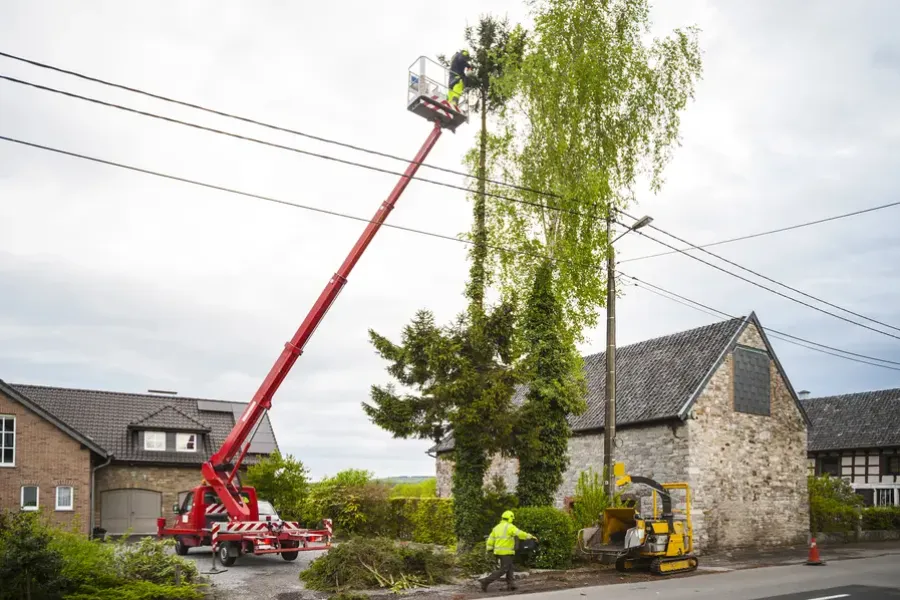
Some tree trimming jobs are not safe for homeowners. Tall trees near power lines or houses need special training and tools. Heavy limbs can fall in unexpected ways.
If the tree shows large cracks in the trunk or major leaning, trimming alone may not fix the problem. A trained crew can inspect for hidden decay and weak branch unions. They also follow safe climbing and rigging methods.
Professional tree care teams know how different species respond to pruning. For example, some trees should be trimmed in late winter, while others do better after blooming. Timing affects how well the tree recovers.
How Proper Trimming Supports Long-Term Health
Good tree trimming is not just about appearance. It builds strong branch spacing and reduces weight on heavy limbs. Over time, this makes the tree more stable in wind and storms.
Structural pruning when a tree is young is one of the best steps you can take. Guiding growth early helps avoid major cuts later. Even mature trees benefit from light, planned maintenance every few years.
Think of pruning as training, not cutting. Each clean, careful cut shapes the future strength of the tree. When done right, you support both safety and beauty in your yard.
Get Help With Safe and Smart Care
If you want expert help in Six Lakes, MI, our team is ready to inspect your trees and shape them for safe growth. At M&M Tree Service Inc., we use proven tree trimming methods that protect structure and encourage healthy development. Call us at (989) 235-2324 to schedule service and let us help your trees stay strong for years to come.